
Recommended for support of digestive, muscle, and reproductive health. Also recommended for maintaining skin health and normal histamine levels. Helpful support for seasonal allergies.
Directions for Use:
Daily Maintenance: Give one scoop (2 ½ oz) per 1,000 lb horse. Amount of bee pollen may be doubled for performance, breeding, or if desired.
Recommended: For best results, start out with just a sprinkle of bee pollen for the first few days and increase gradually.
PRODUCT SIZE COMPARISON
| SIZE | SCOOPS* | $/SCOOP | $/POUND | TOTAL |
| 10 lb | 64 | $1.98 | $12.65 | $126.50 |
| 27.5 lb | 176 | $1.76 | $11.29 | $310.50 |
| 42 lb | 268 | $1.68 | $10.58 | $444.50 |
*approx. number of scoops- density may vary
Bee collected flower pollen was the first natural horse supplement marketed by Springtime back in 1979. Not only is it our oldest product, but it's also one of the most effective. We sell top grade, whole granules. Each batch of Bee Pollen is hand-picked for freshness and flavor. We are very serious about this product. After over 46 years it is still the single most powerful rejuvenator we have experienced.
• Can help maintain a healthy digestive system even during a lack of grazing
• Pollen supports healthy muscle condition
• Helps keep blood count healthy
• Supports the immune system
• Immune support contributes to seasonal comfort
• Naturally contains protein, amino acids, carotenoids, bioflavonoids, phytosterols, fatty acids, and live enzymes.
| Active Ingredients per scoop (2 ½ oz.): | |
| Bee Pollen | 70,875 mg |
Inactive ingredients: None. | |
Bee Pollen is a nutrient-dense natural supplement that offers a wide range of health benefits for horses. Rich in vitamins, minerals, amino acids, and antioxidants, bee pollen supports overall health and vitality. It is known to promote energy and stamina, making it particularly beneficial for performance and working horses. The natural enzymes and nutrients in bee pollen aid in digestion and nutrient absorption, enhancing gastrointestinal health. Additionally, bee pollen supports a balanced immune system, helping horses maintain resilience against environmental stressors and recovery from physical exertion. Its anti-inflammatory properties can contribute to joint and muscle comfort, making it valuable for aging or active horses. Bee pollen is also associated with promoting a healthy coat and skin due to its rich antioxidant profile. Incorporating bee pollen into a horse's diet as part of a balanced nutritional program can support their overall well-being, performance, and recovery.

Bee Pollen for Horses Information
Bee Pollen – A True Metabolic Stimulant. Concentrated Live Enzymes in Bee Pollen
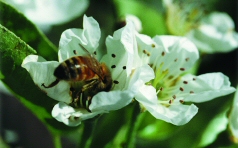 Pollen contains greater concentrations of living enzymes than any other part of the plant. Scientists state that enzymes are absolutely essential for every biochemical function of the body. Enzymes are perhaps the most important of the health-giving plant factors. They are completely destroyed by high temperatures (130 degrees) – cooking! Enzymes are the essential triggers for the metabolic machinery of every living thing from daffodil to buffalo. The enzymes in raw foods are important because they help support the body's own enzyme systems. Enzymes are the life principle of every living cell.
Springtime Bee Pollen Selection

Current batches of Springtime Bee Pollen are exceptional!
Experience Counts
Bee Pollen has been our business for over 45 years. We choose batches that are bright and fresh, properly dehydrated, good tasting and clean. When received, we test each batch thoroughly for pesticides, heavy metals, biological contaminants, etc. Pesticide testing covers 132 different types and our raw materials must pass each and every test or we will not allow it into our products. The testing process generally takes up to 30 days to perform and there are very few companies in the industry that go to these lengths!
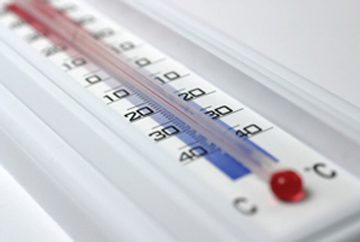
Reserve inventories of Bee Pollen and Spirulina are stored in sub-zero frozen storage to maintain highest potency!
Remembering Charlie
A True Natural Trainer
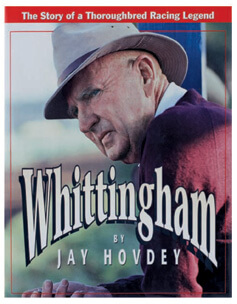 I first met Charlie Whittingham in 1980 when he began purchasing and using Springtime Bee Pollen. In 1986, I visited Charlie at Pimlico when he brought Ferdinand, his Kentucky Derby winner, to Baltimore for the Preakness. A moment etched in my memory is when the great trainer ducked into Ferdinand's stall and felt down the legs of his champion. The scene was repeated in 1989 when Charlie returned with another Derby champion, Sunday Silence.
Charlie gave a lot of Springtime Bee Pollen to his horses and ate a lot himself. He was a dominating force in racing well into his eighties and trained until he passed away at the age of 86.
Charlie gave Springtime a public endorsement, which helped us enormously. By his own account, Springtime Bee Pollen was a rejuvenating factor for him personally. If you have ever thought about using Springtime Bee Pollen for yourself, your horses, or pets, now is the time. The current stock is excellent quality and the pries can't be beat. You don't have to be the world's greatest trainer to use the world's greatest natural product.
Sincerely,
Dennis Hampt
Founder
Springtime
Recommended for support of digestive, muscle, and reproductive health. Also recommended for maintaining skin health and normal histamine levels. Helpful support for seasonal allergies.
Directions for Use:
Daily Maintenance: Give one scoop (2 ½ oz) per 1,000 lb horse. Amount of bee pollen may be doubled for performance, breeding, or if desired.
Recommended: For best results, start out with just a sprinkle of bee pollen for the first few days and increase gradually.
PRODUCT SIZE COMPARISON
| SIZE | SCOOPS* | $/SCOOP | $/POUND | TOTAL |
| 10 lb | 64 | $1.98 | $12.65 | $126.50 |
| 27.5 lb | 176 | $1.76 | $11.29 | $310.50 |
| 42 lb | 268 | $1.68 | $10.58 | $444.50 |
*approx. number of scoops- density may vary
Bee collected flower pollen was the first natural horse supplement marketed by Springtime back in 1979. Not only is it our oldest product, but it's also one of the most effective. We sell top grade, whole granules. Each batch of Bee Pollen is hand-picked for freshness and flavor. We are very serious about this product. After over 46 years it is still the single most powerful rejuvenator we have experienced.
• Can help maintain a healthy digestive system even during a lack of grazing
• Pollen supports healthy muscle condition
• Helps keep blood count healthy
• Supports the immune system
• Immune support contributes to seasonal comfort
• Naturally contains protein, amino acids, carotenoids, bioflavonoids, phytosterols, fatty acids, and live enzymes.
| Active Ingredients per scoop (2 ½ oz.): | |
| Bee Pollen | 70,875 mg |
Inactive ingredients: None. | |
Bee Pollen is a nutrient-dense natural supplement that offers a wide range of health benefits for horses. Rich in vitamins, minerals, amino acids, and antioxidants, bee pollen supports overall health and vitality. It is known to promote energy and stamina, making it particularly beneficial for performance and working horses. The natural enzymes and nutrients in bee pollen aid in digestion and nutrient absorption, enhancing gastrointestinal health. Additionally, bee pollen supports a balanced immune system, helping horses maintain resilience against environmental stressors and recovery from physical exertion. Its anti-inflammatory properties can contribute to joint and muscle comfort, making it valuable for aging or active horses. Bee pollen is also associated with promoting a healthy coat and skin due to its rich antioxidant profile. Incorporating bee pollen into a horse's diet as part of a balanced nutritional program can support their overall well-being, performance, and recovery.
Bee Pollen for Horses Information
Bee Pollen – A True Metabolic Stimulant. Concentrated Live Enzymes in Bee Pollen
Pollen contains greater concentrations of living enzymes than any other part of the plant. Scientists state that enzymes are absolutely essential for every biochemical function of the body. Enzymes are perhaps the most important of the health-giving plant factors. They are completely destroyed by high temperatures (130 degrees) – cooking! Enzymes are the essential triggers for the metabolic machinery of every living thing from daffodil to buffalo. The enzymes in raw foods are important because they help support the body's own enzyme systems. Enzymes are the life principle of every living cell.
Springtime Bee Pollen Selection
Current batches of Springtime Bee Pollen are exceptional!
Experience Counts
Bee Pollen has been our business for over 45 years. We choose batches that are bright and fresh, properly dehydrated, good tasting and clean. When received, we test each batch thoroughly for pesticides, heavy metals, biological contaminants, etc. Pesticide testing covers 132 different types and our raw materials must pass each and every test or we will not allow it into our products. The testing process generally takes up to 30 days to perform and there are very few companies in the industry that go to these lengths!
Reserve inventories of Bee Pollen and Spirulina are stored in sub-zero frozen storage to maintain highest potency!
Remembering Charlie
A True Natural Trainer
I first met Charlie Whittingham in 1980 when he began purchasing and using Springtime Bee Pollen. In 1986, I visited Charlie at Pimlico when he brought Ferdinand, his Kentucky Derby winner, to Baltimore for the Preakness. A moment etched in my memory is when the great trainer ducked into Ferdinand's stall and felt down the legs of his champion. The scene was repeated in 1989 when Charlie returned with another Derby champion, Sunday Silence.
Charlie gave a lot of Springtime Bee Pollen to his horses and ate a lot himself. He was a dominating force in racing well into his eighties and trained until he passed away at the age of 86.
Charlie gave Springtime a public endorsement, which helped us enormously. By his own account, Springtime Bee Pollen was a rejuvenating factor for him personally. If you have ever thought about using Springtime Bee Pollen for yourself, your horses, or pets, now is the time. The current stock is excellent quality and the pries can't be beat. You don't have to be the world's greatest trainer to use the world's greatest natural product.
Sincerely,
Dennis Hampt
Founder
Springtime